2025 was a study in contradictions.
After years of pandemic disruption and strike-induced delays, creators finally had room to breathe. What they gave us was… everything. Bold original stories sat alongside the tenth installment of familiar franchises.
Prestige dramas competed for attention with reality TV reboots. For every innovative experiment, there was a safe bet banking on nostalgia.
The industry simply got back to work. AI tools streamlined production workflows. Streaming platforms rediscovered the appeal of appointment viewing. Even old-school procedurals made a comeback, proving that sometimes the basics still work.
What emerged was a landscape that reflected both our highest ambitions and our cheapest impulses.
Sci-fi shows channeled our collective anxieties about the future—climate collapse, AI, fractured democracies—into narratives that felt uncomfortably prescient.
Meanwhile, streaming queues overflowed with true crime documentaries and reality TV, content that’s easy to produce, endlessly bingeable, and perfectly engineered to generate social media buzz.
You had Guillermo del Toro reimagining Frankenstein while studios cranked out another round of IP revivals. Independent filmmakers found new distribution paths while major networks doubled down on proven formats. A show about gay hockey players became a cultural moment while The Running Man got its obligatory remake.
The media of 2025 was a mix of thoughtful storytelling wrestling with algorithm-friendly filler. Original voices breaking through alongside endless IP revivals. Innovation and exploitation existing side by side.
The year didn’t answer the question of where the industry is going. It just made the conversation a lot more interesting.
Sequel Success: Blockbusters Thrive on Familiar Narratives
Remember when we were writing think pieces about the death of the big-budget movie?
For years, the box office had been sputtering. Tentpole films underperformed. Studios panicked. We believed that audiences had moved on, that streaming had killed the theatrical experience, and that maybe the era of massive crowd-pleasing spectacles was simply over.
Then in 2025, Superman returned. Minecraft finally made the leap to live-action. Wicked: For Good continued its musical empire.
And crucially—people showed up. Theaters filled. Box office totals climbed. Turns out blockbusters weren’t dead, they were just waiting for the right stories at the right moment.
Wicked in particular borrowed a page from one of the few recent blockbuster success stories: Barbie. It made going to the movie theater an event. Audiences showed up in pink and green, coordinating their outfits with their friends. Social media exploded with theater selfies.
The marketing leaned into this, building anticipation and community around the theatrical experience. It proved that when theaters offer an experience streaming can’t replicate, people will leave their couches and spend money.
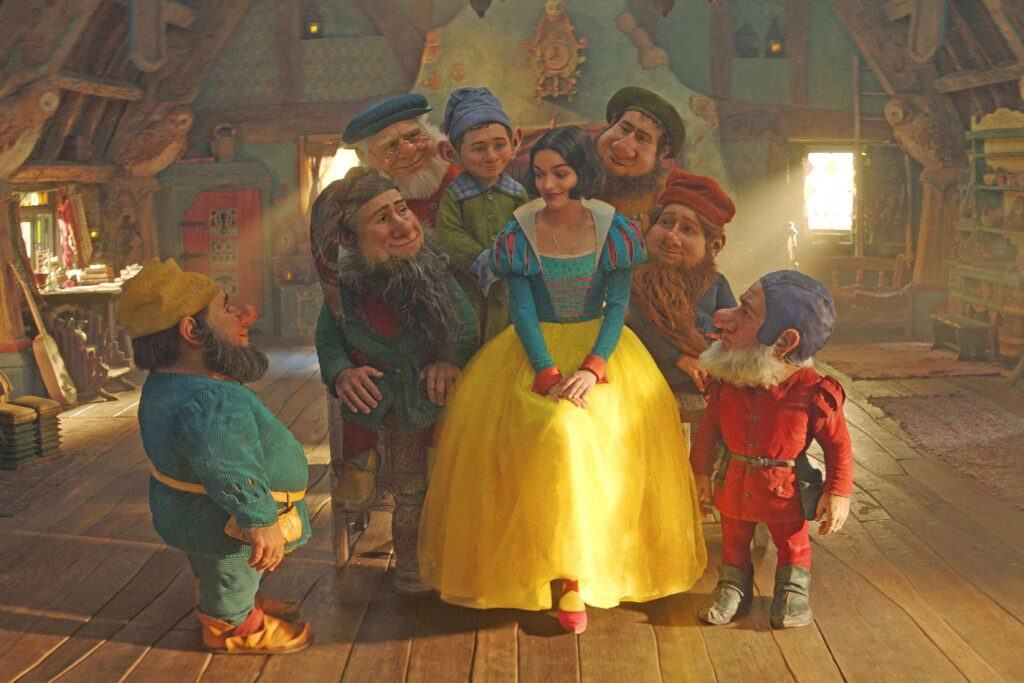
Marketing, it turns out, can make or break even the safest IP bet. Disney’s Snow White became a cautionary tale before it even hit theaters.
Controversial casting decisions, tone-deaf interviews, and a marketing campaign that relentlessly alienated its core audience, created a PR disaster that the film never recovered from. By the time it premiered, public sentiment had already soured.
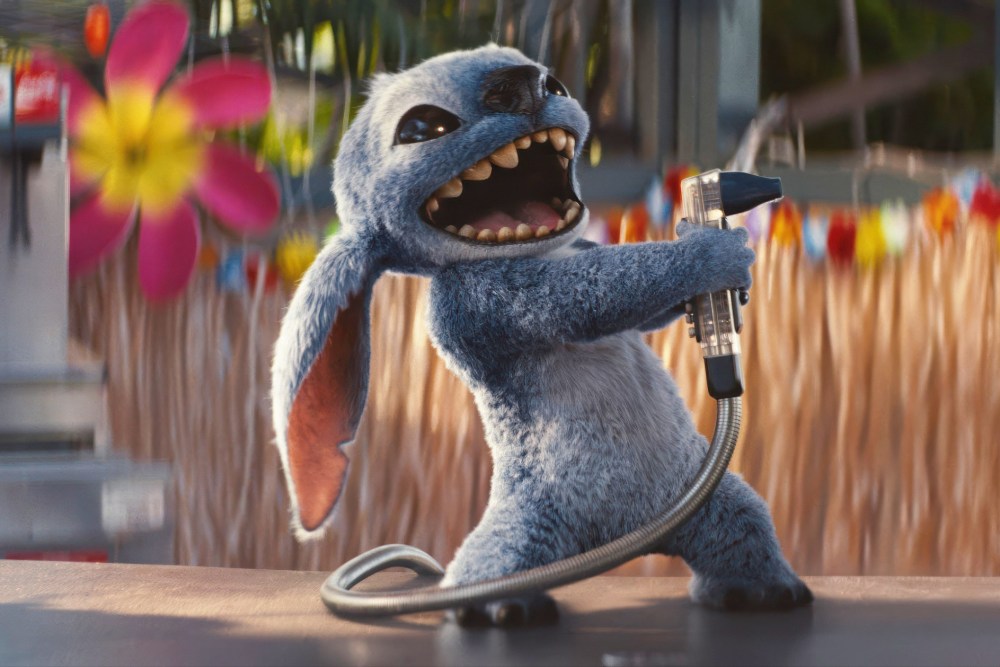
Meanwhile, their Lilo & Stitch remake, another soulless nostalgia play, became the second-biggest box office hit of 2025. What was different? Zero controversy and a straight-forward marketing strategy that consisted of putting Stitch’s cute face everywhere.
Despite not being a great movie or remake, it still made a lot of money because it did not make the crucial mistakes that Snow White did.
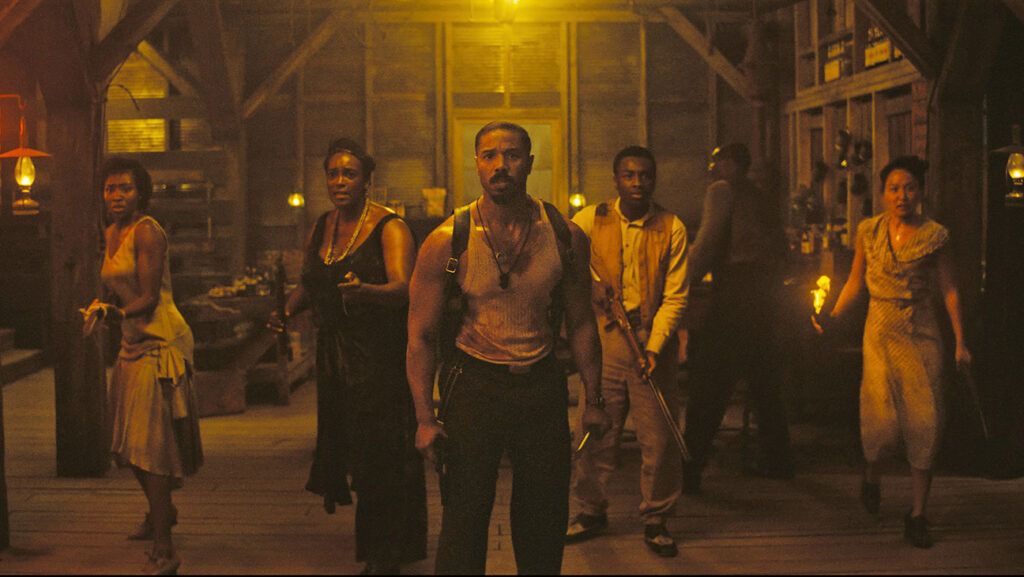
And then there was Sinners.
An original blockbuster that somehow fought its way into the top 10, and showed that fresh ideas and new stories can still bring in large audiences. It was the exception that proved the rule: yes, IP dominates, but there are cracks in the armor for stories that earn their audience rather than inherit one.
Nostalgia only gets you so far.
Quality matters, but so does everything around it—how you market the film, whether you respect what fans loved about the original, and crucially, whether you create unnecessary controversy that poisons the well before release.
The year proved that blockbusters aren’t dead, they just need the right conditions to thrive. And increasingly, those conditions have as much to do with what happens in boardrooms and marketing meetings as what ends up on screen.
Intimacy and Innovation: The Rise of Indie Films
While blockbuster films dominated, 2025 also saw a flourishing of smaller, indie films that captivated audiences yearning for genuine storytelling.
These films, often created on modest budgets, focused on human stories and unique perspectives, offering a refreshing palate cleanse from the franchise fare.
Movies don’t need to have billion-dollar marketing campaigns, familiar characters, and revolutionary special effects to draw audiences. They just need a good story.
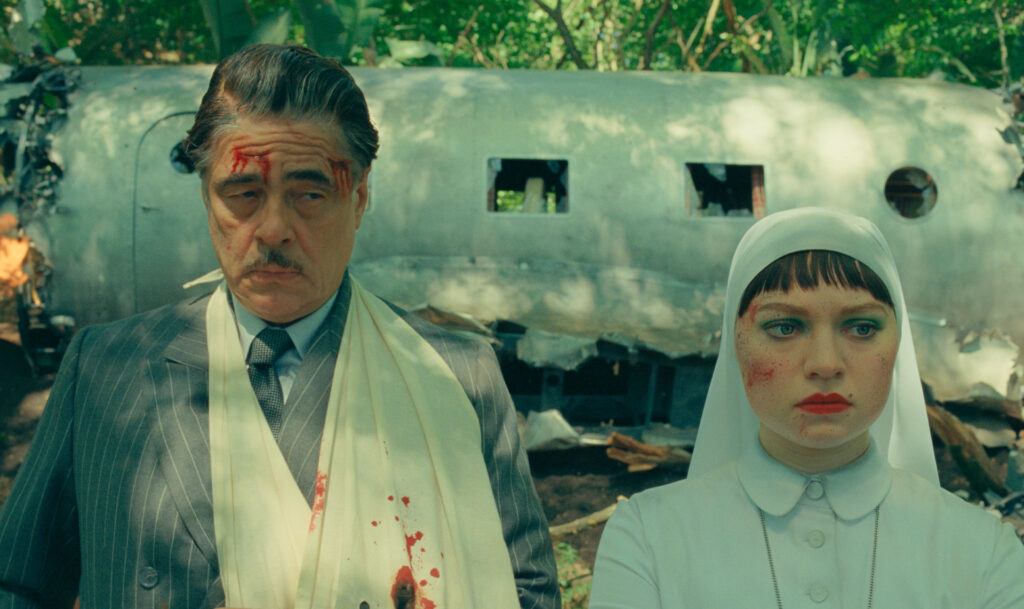
Established and beloved auteurs like Wes Anderson (The Phoenician Scheme) and Noah Baumbach (Jay Kelly ) returned in 2025 and delivered exactly what their fans wanted: meticulous crafted cinematography and idiosyncratic storytelling.
Last year, A24 kept doing what A24 does.
They put out everything from intimate character studies to genre experiments, maintaining the eclectic slate that’s become their trademark.
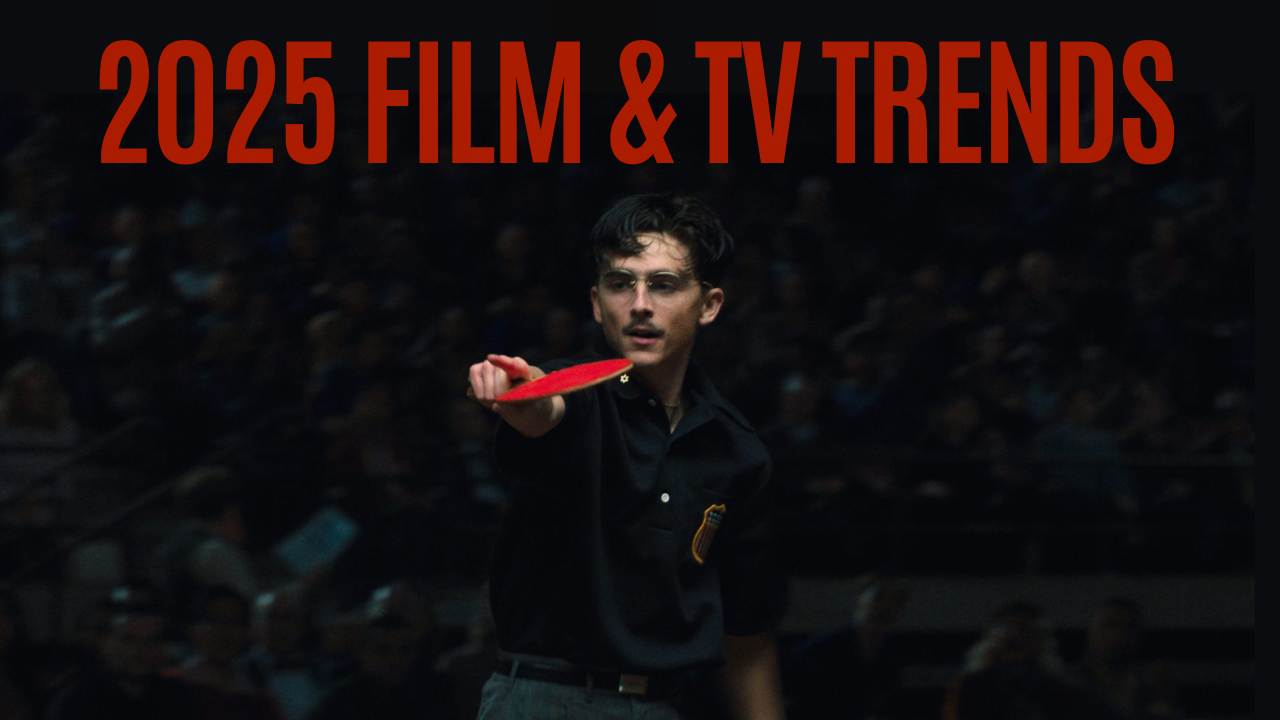
And then they dropped Marty Supreme on Christmas—their most expensive production to date—and it has already become their biggest box office hit ever. Josh Safdie directed the film with the same manic energy he brought to Uncut Gems, while Timothée Chalamet disappeared into the role of a 1950s ping-pong hustler.
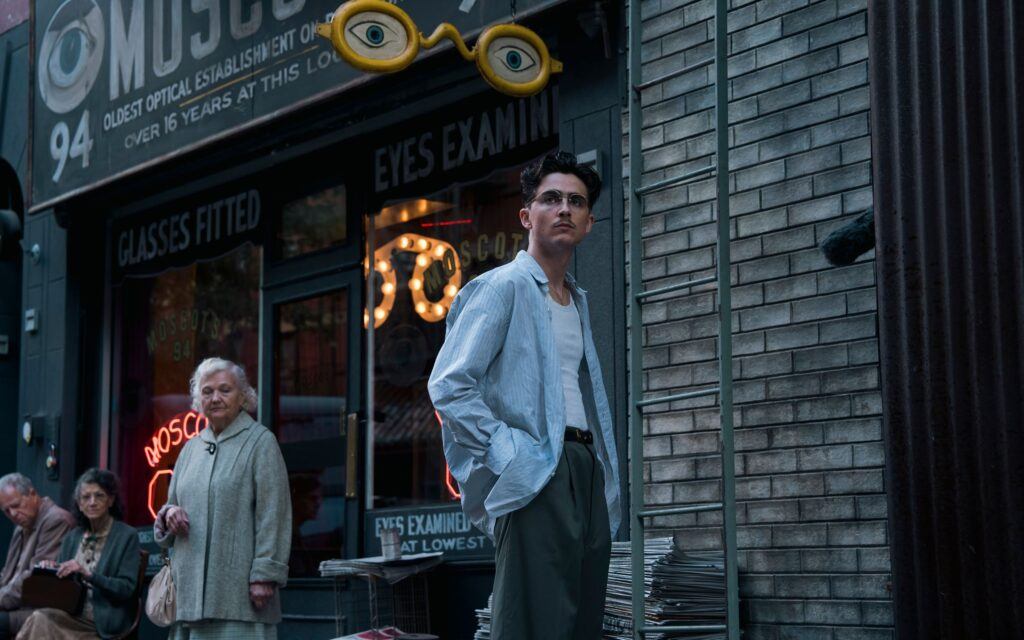
Part of the appeal was pushback against the very thing permeating the rest of the industry: AI.
As generative tools crept into production workflows and studios experimented with synthetic scripts and automated editing, there was a growing appetite for the human touch in narratives. Audiences crave that authentic connection with stories that echo real emotions and experiences.
This led to a year with films shot on 16mm and 35mm film stock, performances captured in long takes without digital manipulation, and narratives that focused on lived experiences rather than data analysis and focus groups.
Directors like Paul Thomas Anderson and Christopher Nolan have championed the use of analog filmmaking for years, and now a younger generation is following suit.
New voices capitalized on this shift.
Kristen Stewart made her directorial debut with The Chronology of Water, a raw adaptation that leaned into its literary roots. Alex Russel’s Lurker turned a microbudget into a tense character study that felt more authentic than most studio thrillers.
For creatives exploring their place in the industry, indie films illustrate the power of personal passion projects. They remind us that in a world ever-evolving with technology, the power of a well-told story remains timeless.
For indie filmmakers, 2025 offered a strange kind of opportunity.
The blockbuster machine is churning out IP, streaming platforms are flooding the zone with content, and Hollywood is automating what it can. But in the space between all that noise, there’s still room for films that feel like they were made by actual humans with something real to say.
Sci-Fi Surge: Reflecting Societal Concerns through Speculative Fiction
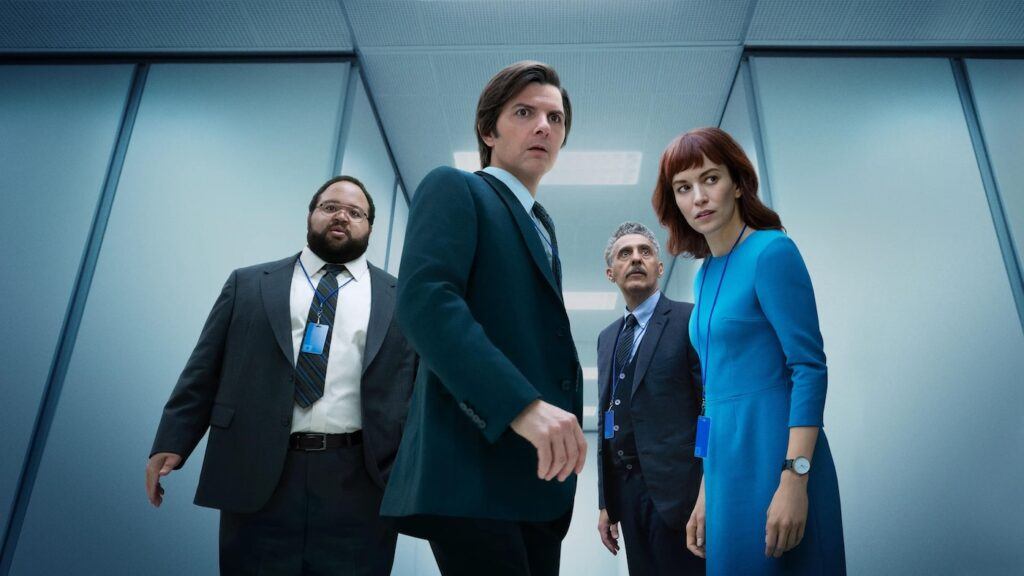
Want to know what kept people up at night in 2025? Just look at what sci-fi show they were watching.
The genre was huge this year. These sci-fi shows served as a cultural barometer, reflecting back our collective unease about AI, climate collapse, surveillance capitalism, and the general sense that technology is moving faster than our ability to understand its consequences.
Severance became the poster child for this trend.
The Apple TV+ series returned this year for its highly anticipated second season. The premise—employees who surgically separate their work and personal memories—sounds like absurdist sci-fi until you realize it’s just a literalization of “work-life balance” taken to its dystopian extreme.
The show tapped into something specific about modern work culture: the feeling that you’re performing a different version of yourself at the office, that your labor enriches people you’ll never meet, that the systems controlling your day are both omnipresent and inscrutable.
Other shows joined the anxiety chorus.
Alien: Earth on FX brought body horror and corporate malfeasance to a dying planet. Apple TV+’s Silo continued exploring life in enclosed societies built on lies, hitting differently in a year where trust in institutions felt particularly fragile.
Netflix leaned into dystopian futures with 3 Body Problem, adapting Liu Cixin’s dense novels about humanity’s first contact with alien intelligence—and the realization that we’re woefully unprepared for it.
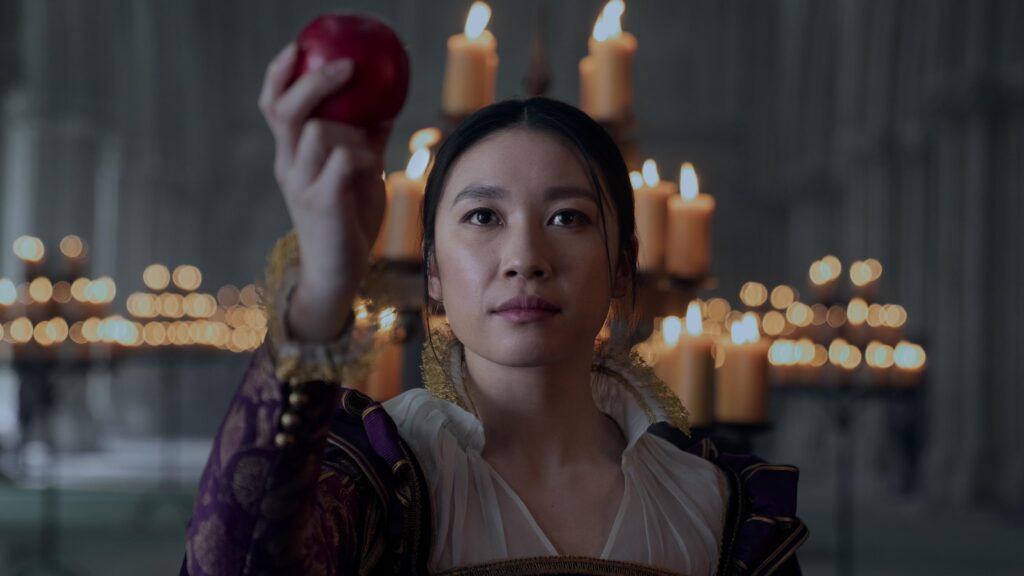
The show wrestled with questions about scientific ethics, government secrecy, and whether survival justifies any cost.
Meanwhile, newer entries like Paradise explored class stratification through the lens of life-extension technology, asking who gets to live forever and who has to die so the wealthy can keep going.
These shows were not frivolous, escapists tales. They mirrored our modern-day problems, just slightly distorted through speculative lenses.
Climate anxiety showed up as literal uninhabitable planets. AI fears manifested as sentient systems that couldn’t be controlled. Social inequality was extrapolated into caste systems enforced by technology we’re already building.
But the point of these shows is not to solve these problems for us.
Severance didn’t tell you whether severance was good or bad. It showed you the appealing freedom of not remembering your outside life alongside the horror of having your consciousness split against your will.
3 Body Problem didn’t offer comfortable moral clarity about how humanity should respond to existential threats. The ambiguity was the point.
Audiences don’t just want escapism. They want their anxieties acknowledged, examined, and processed through narrative.
True Crime and Reality TV: Streaming’s Persistent Favorite
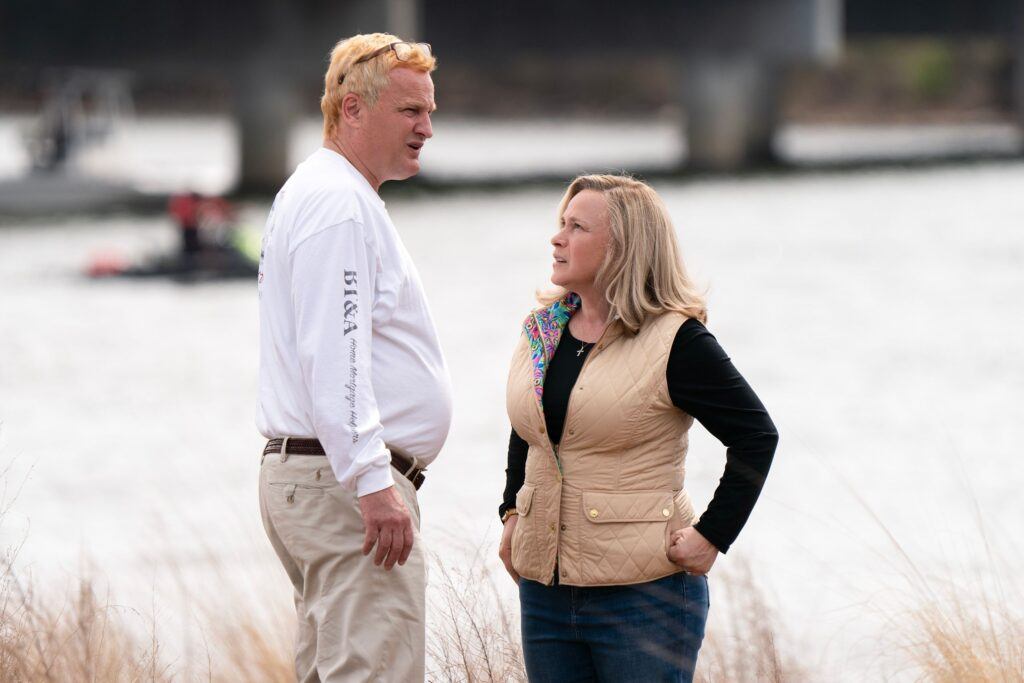
If you measured success by social media mentions instead of critical acclaim, true crime shows and reality TV would be the undisputed winners of 2025.
Platforms realized years ago that a show doesn’t need to be good, it just needs to be memorable. True crime docs and reality TV are designed for exactly that: content that keeps people scrolling, posting, and arguing long after the credits roll.
Netflix alone churned out what felt like a new true crime doc every other week—some examining decades-old cold cases, others capitalizing on whatever murder trial was currently dominating headlines.
Hulu’s Murdaugh: Death in the Family offered yet another deep dive into a captivating murder case that was then dissected across TikTok and Twitter for months.
The appeal is obvious: true crime offers the comfort of resolution (usually) combined with the thrill of voyeurism and the social currency of having an opinion. The shows live and die by their ability to generate conversation—a compelling case can trend for weeks, spawning explainer threads, conspiracy theories, and endless debate.
Reality TV followed a similar playbook, just with less death and more manufactured drama.
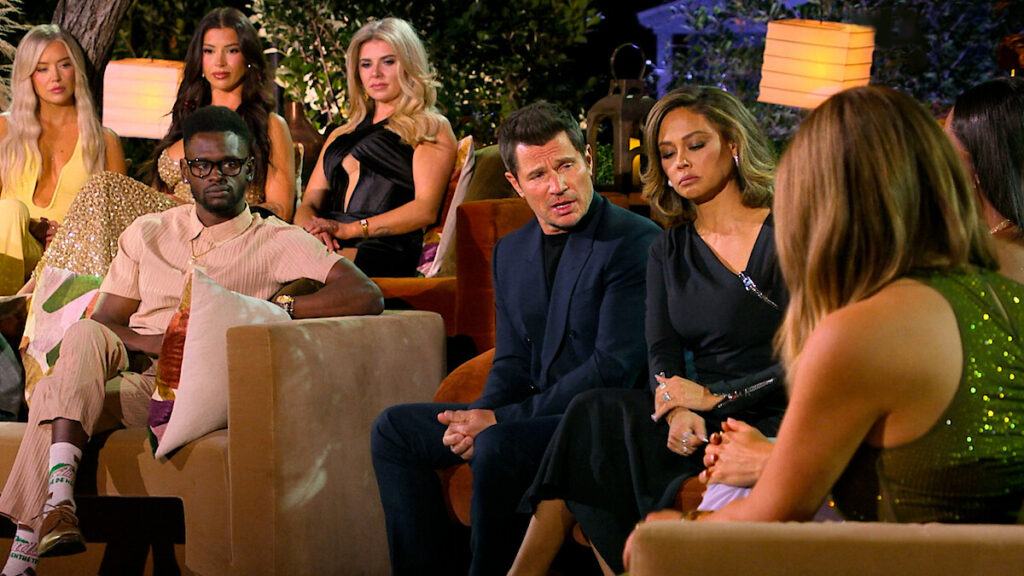
Love Is Blind returned for yet another season of people making terrible romantic decisions in isolation pods, then watching those decisions implode in real time.
But the show’s real power is the discourse it creates. Every episode generated thousands of tweets, Instagram stories, and TikTok reactions. Contestants became memes. Dramatic moments were clipped and shared instantly.
The formula remained unchanged because it doesn’t need to change: throw emotionally vulnerable people into an artificial environment, add cameras, wait for chaos, then watch social media do the marketing for you. Dating shows like this proliferated across every platform.
The Traitors continued its resurgence, with watch parties and intense online theorizing about who would betray whom next. Cooking competitions like The Bear-inspired culinary reality shows tried to capture some of that prestige drama energy while still delivering reaction-worthy moments.
Squid Game: The Challenge took the concept to its logical extreme: adapting a fictional show about desperate people competing in deadly games for money… into a real competition show where people compete in non-deadly games for money.
What’s notable about 2025 wasn’t that these shows existed—they always have—but how explicitly shows are now being engineered for virality.
A Forward Glance at 2026: Anticipation in Film and TV
So what did 2025 actually tell us about where film and TV are headed?
The industry isn’t moving in one direction, it’s splitting into multiple streams.
Blockbusters came back from the dead when they gave people a reason to leave their house. IP still dominates, but execution matters: Lilo & Stitch succeeded where Snow White failed because of smarter marketing and fewer missteps.
Indies found their footing with A24’s Marty Supreme proving you can scale up without selling out. Analog filmmaking became a counterpoint to automation.
On TV, sci-fi became the genre for processing anxiety, with Severance and 3 Body Problem reflecting fears about technology and systems we can’t control.
Meanwhile, true crime and reality TV kept the lights on with cheap, viral-ready content engineered for social media.
Looking ahead to 2026, expect more of the same, just amplified.
Blockbusters will lean harder into event experiences—theatrical releases designed as cultural moments, not just movies. Indie films will keep carving out space as studios focus on IP.
Sci-fi will continue processing our collective anxieties about surveillance, climate, and technology. Reality TV and true crime will flood streaming platforms because the economics work too well to stop.
And the big question is whether theatrical releases can sustain their comeback—blockbusters proved people will show up, but only for the right films. 2026 needs consistent wins, not just a few hits.
2025 showed us film and TV aren’t dying but evolving in messy, contradictory ways. Some of those contradictions will resolve in 2026. Others will just get more pronounced. Either way, it’ll be worth watching.


Leave a Reply